
The Pause Before the Pass
The pitch is not a battlefield. That’s the first thing you have to unlearn.
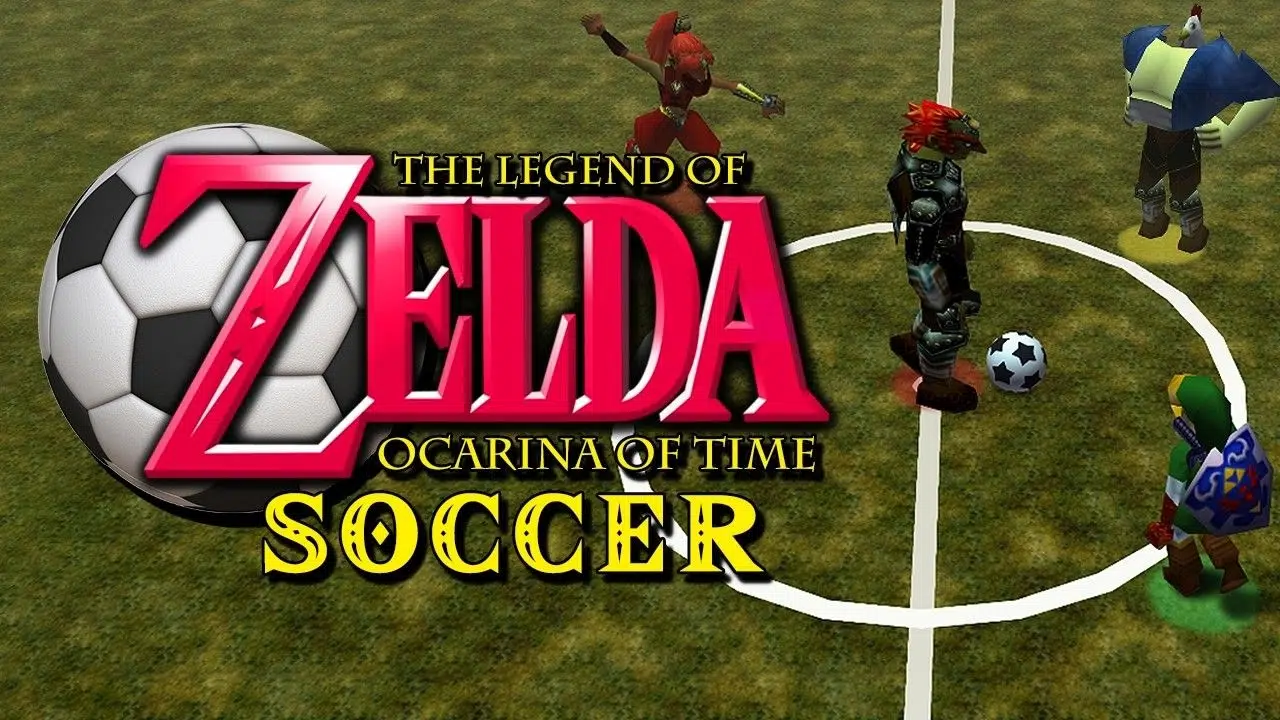
In Hyrule, everyone knows what they are supposed to do. Link draws the sword. Ganondorf waits in the tower. The roles are ancient, inherited, almost geological. But put them on a football field. The Fire Temple, the Graveyard, the Castle Exterior, the Horseback Archery Range and the script dissolves. Suddenly Ganondorf is a defender who does not know whether to step or hold. Skull Kid is a winger with no idea when to release the ball. Sheik is a midfielder reading a game that has not happened yet.
The mod is still in development. That matters. You can feel it in the spaces where certainty should be. A slide tackle arrives half a second late. A pass is played to where a teammate was, not where they are going. The injury system does not just track damage; it tracks hesitation. Every limp is a decision that did not quite land.
What is interesting is not the football. It is the strangers.
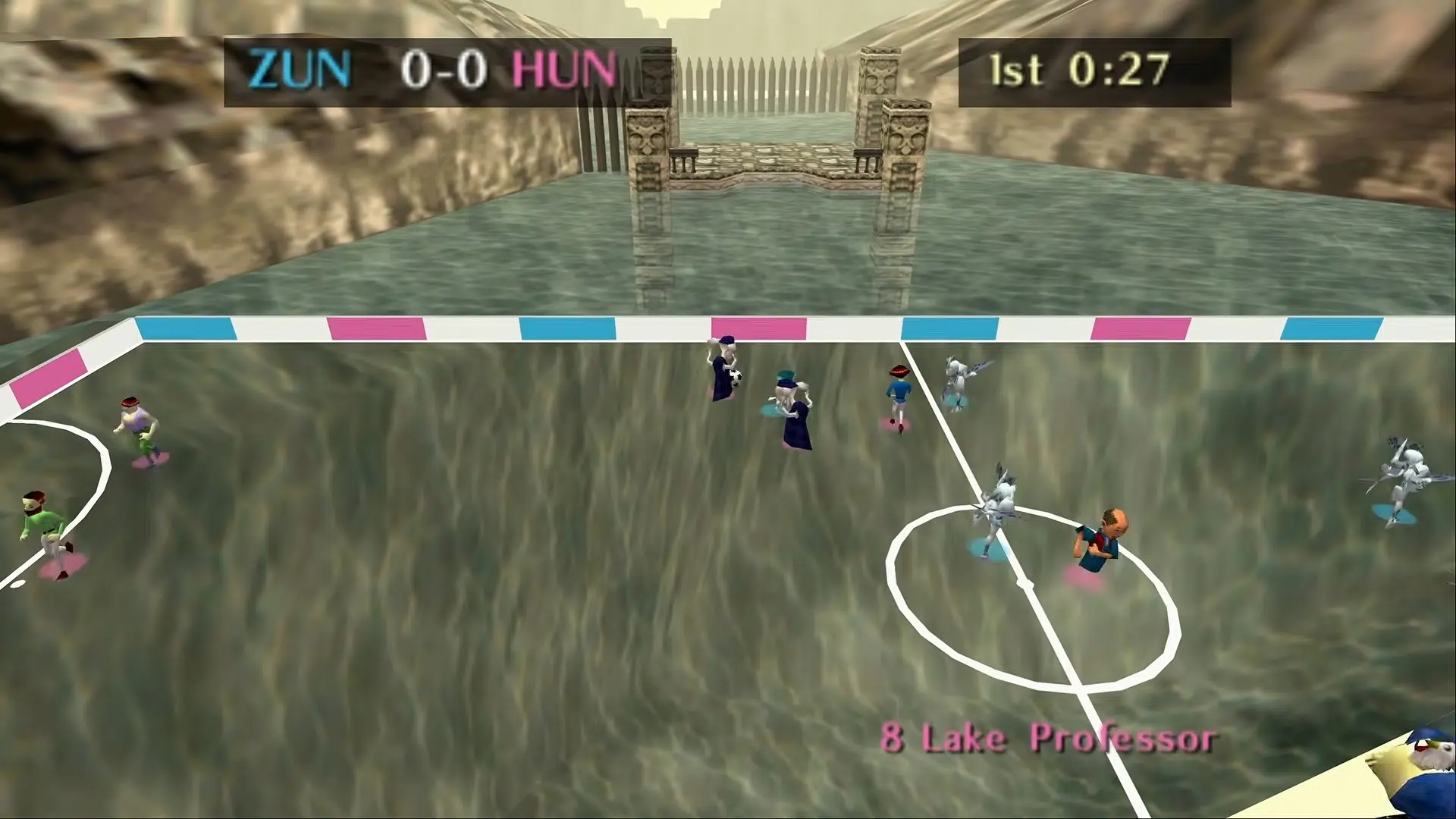
Kokiri FC. Zora United. Castle Town. Real Castle. Kakariko City. Gerudo Fortress. Hylia United. These names sound like they have always existed, like they belong to a league with a hundred years of history. But they are new. The players are meeting each other for the first time. There is no muscle memory. No inherited understanding of where the other person will be.
That is the psychological core of it: trust between strangers. You cannot pass to someone you do not know. Not really. You can only guess. And the guess is where the game lives.
The character creator adds another layer. A Cucco head. Ganondorf’s torso. Ruto’s legs. Talon’s running animation. You are assembling a body out of fragments, hoping the pieces will cooperate. It is absurd and it is honest. We are all assembled from fragments. We all run with someone else’s gait.
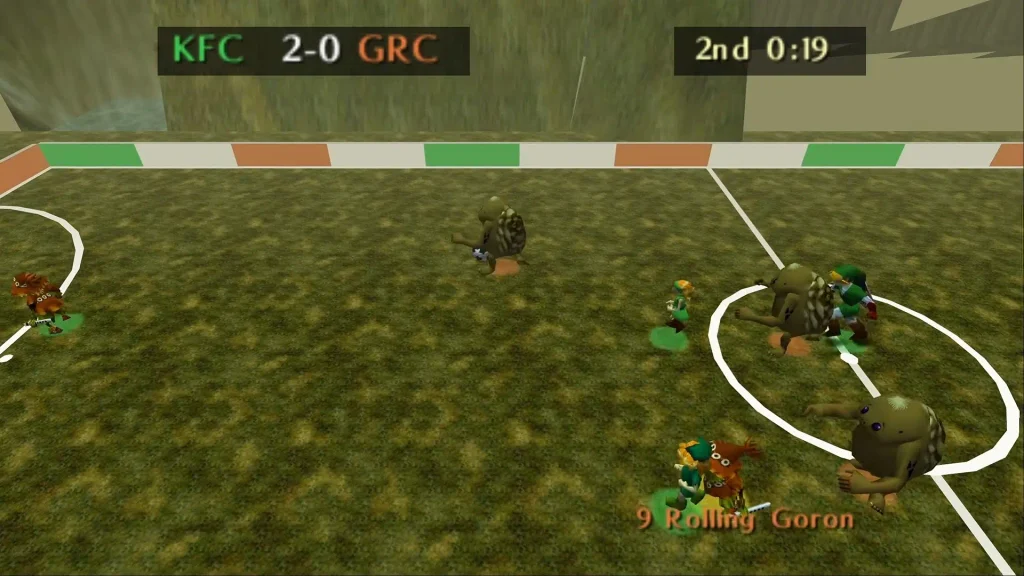
The stadiums do not help. The Fire Temple is unforgiving. The Graveyard is quiet in a way that makes you listen too hard. The Horseback Archery Range is a place built for a different kind of aim entirely. These are not neutral grounds. They carry their own emotional tempo. You have to play against the place as much as the opponent.
And there is no Water Temple. Not yet. No cold, rainy night in the flooded corridors. That absence feels like a held breath. Shon J’s project is still becoming. The league is still learning its own rules.
What does it feel like, then? Like standing in a room full of people you have known your whole life, but none of them know you. Like the first minute of a match, before the pattern settles, before the ball starts moving the way it is supposed to. Like the pause before a pass you are not sure you should make.
Hyrule has a football league now. But it does not know what it is yet. That is the most human thing about it.

 Marianna Pisani