
TipiLAN 2025 Shatters Expectations
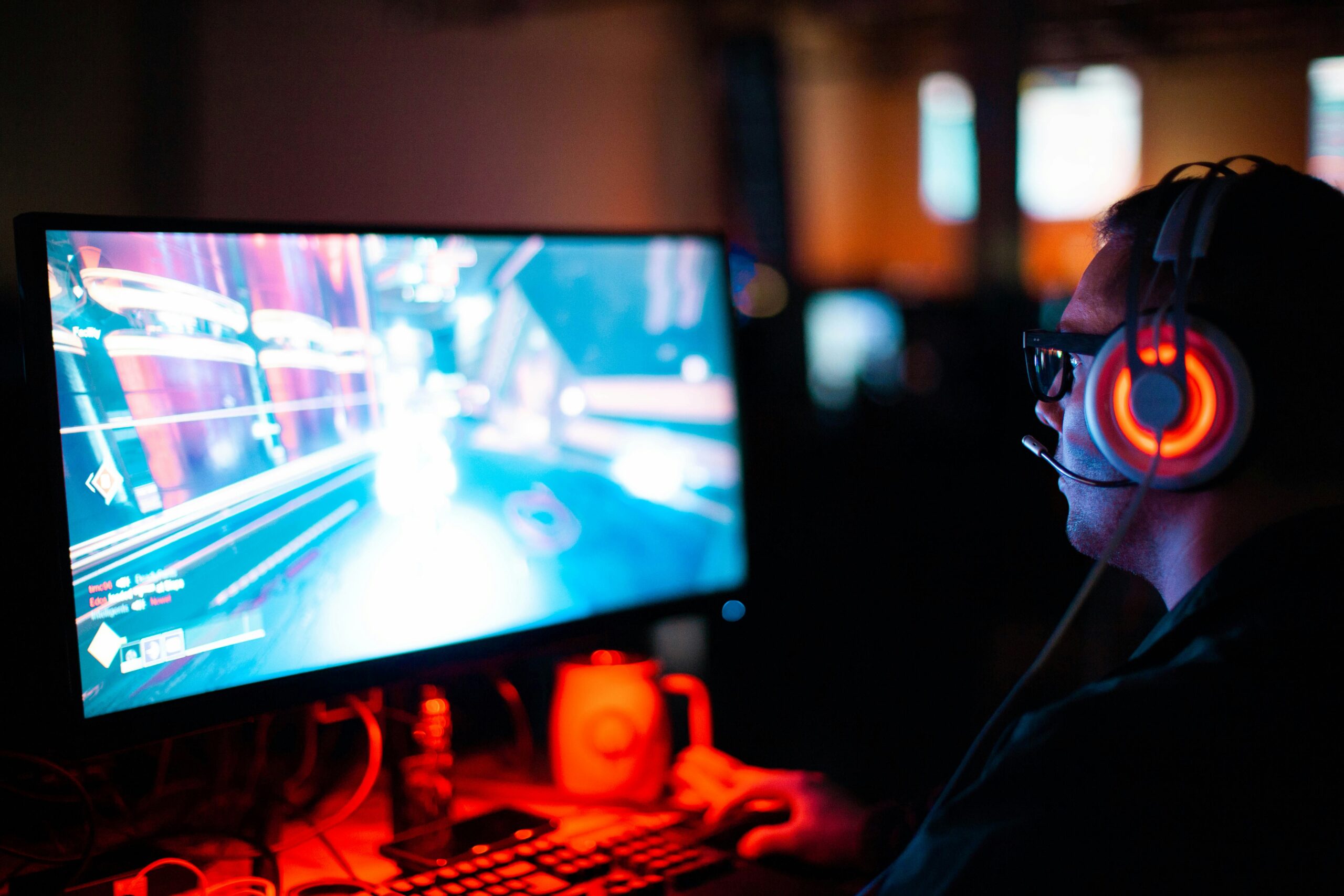
Picture this: over 900 gaming enthusiasts packed into Tallinn University of Technology’s assembly halls, controllers and keyboards clicking in unison, while nearly 1,000 viewers worldwide watched the action unfold on streaming platforms. This wasn’t just another LAN party—TipiLAN 2025 just rewrote Estonian esports history during its three-day run from October 24-26.
What started as an ambitious student project transformed into the Baltic region’s premier gaming festival, achieving something no Estonian tournament had accomplished before. The event secured official recognition from HLTV.org, the global authority on competitive Counter-Strike, marking a watershed moment for the region’s gaming community.
the Global Esports Scene
HLTV Recognition That Changed Everything
For competitive Counter-Strike fans, HLTV.org isn’t just another gaming website—it’s the gold standard for tournament legitimacy and team rankings worldwide. When TipiLAN 2025 received approval to award Valve Regional Standing (VRS) points to its CS2 tournament winners, it elevated Estonia’s esports credibility overnight.
VRS points serve as a dynamic power ranking system that evaluates teams based on their current performance across officially recognized tournaments. Unlike broader ranking systems that track 12-month histories, VRS points focus on recent competitive strength, making them highly coveted in the professional scene. For Estonian teams, this meant competing for points that could potentially catapult them onto the international radar.
Liquipedia, the comprehensive esports encyclopedia trusted by millions of competitive gaming fans, also documented the tournament results—further cementing the event’s significance in the global gaming landscape.
Competition Comes to Tallinn
The tournament attracted 220 competitive players representing six countries: Estonia, Latvia, Lithuania, Finland, Norway, and Ukraine. This international draw showcased the Baltic region’s growing reputation as an emerging esports hub, where tech-savvy populations and improving infrastructure are creating ideal conditions for competitive gaming growth.
The diversity of participants reflected broader trends in Baltic esports, where improved internet access and technology development have dissolved geographical barriers, allowing regional talent to collaborate and compete at unprecedented levels.
Results and Prize Distribution
Counter-Strike 2 Champions Take Historic Wins
The CS2 main tournament featured a substantial €5,750 prize pool, with top finishers earning both cash prizes and VRS ranking points
- Gold: RAID (Estonia) secured €2,500 plus the championship trophytaltech
- Silver: hypewrld (Latvia) claimed €1,500
- Bronze: CSDIILIT (Finland/Estonia) earned €1,000
These victories carried extra weight given the HLTV recognition, potentially opening doors for these teams to compete in higher-tier international events.
LOL Regional Champions
The LoL tournament distributed €3,000 among the top three teams :tipilan+1
- First Place: Ükssilm (Estonia) won €1,500 and the trophytaltech
- Second Place: Eesti Rästikud took home €1,000taltech
- Third Place: LOMiks (Latvia) earned €500taltech
With a total prize pool exceeding €10,000 when including mini-tournaments, TipiLAN offered one of the most substantial competitive gaming rewards in the region.fienta+1
Beyond the Main Stage
Mini-Tournaments for Every Gaming Taste
The expo area buzzed with ten additional mini-tournaments covering diverse gaming genres, ensuring casual gamers and spectators could join the competitive action. These included popular titles like Tekken 8 (€200 prize), Street Fighter 6 (€150), and racing simulators featuring WRC (€350) and Gran Turismo (€200).
Even unconventional games like Buckshot Roulette and Dwarf Escape found their moment in the spotlight, demonstrating TipiLAN’s commitment to celebrating gaming culture’s full spectrum.
Showcasing Estonian Game Development Talent
Three universities set up informational booths while nearly ten partners participated in the expo area. Perhaps most impressively, Estonian game developers showcased over 30 locally-created games, highlighting the country’s growing reputation in game development.
The inclusion of dozens of retro console setups and racing simulators created a nostalgic yet forward-looking atmosphere, bridging gaming’s past and future.
The Student Power Success
Unprecedented University Collaboration
What makes TipiLAN particularly remarkable is its foundation as a student-organized event. Approximately 35 organizers and 95 volunteers from various Tallinn University of Technology student organizations pooled their talents to execute this massive undertaking.
This collaboration united all five student councils with three specialized clubs: Lapikud (software development), TalTech Film Club, and the TalTech Gaming Club. Such cross-department cooperation represented a first for TalTech, demonstrating how gaming can serve as a powerful unifying force.
A Ten-Month Labor of Love
Main organizer Alexander Rein Robas, an IT student at TalTech, began planning the event ten months before the first participant logged in. Despite encountering technical challenges during the weekend, Robas praised his team’s resilience: “Although we faced some technical challenges, our team and partners were phenomenal—without them, we wouldn’t be on the world map today”.
The immediate feedback validated their efforts, with visitors already inquiring about the next TipiLAN before the 2025 event concluded.
The Streaming Success Story
While the in-person attendance exceeded expectations with over 900 participants, TipiLAN’s digital reach amplified its impact significantly. Nearly 1,000 concurrent viewers tuned in across multiple streaming platforms during the tournament finals, while total weekend viewership reached several thousand screens.
This digital audience engagement mirrors broader trends in Baltic esports, where live streaming and event broadcasting have democratized access to competitive gaming, allowing enthusiasts throughout the region to participate virtually.
Why This Matters for Baltic Esports
Economic Impact Beyond Gaming
The Baltic entertainment industry is experiencing rapid growth, with esports emerging as a significant driver. Gaming tournaments attract substantial audiences both in-person and online, while state-of-the-art gaming arenas and tech hubs in Estonia and Latvia support thriving esports communities.
These events generate tangible economic benefits by boosting tourism, hospitality, and retail sectors. Large-scale gatherings like TipiLAN create new jobs and business opportunities while strengthening regional cultural identity.
Building a Regional Gaming Hub
With young, tech-savvy populations and increasing investment, the Baltic states are positioning themselves as competitive gaming destinations. Estonia’s digital infrastructure and innovation-friendly environment provide ideal conditions for esports growth.
TipiLAN’s success demonstrates how gaming transcends borders and languages, creating platforms where people interact, share experiences, and build communities regardless of background or location.
Looking Toward the Future
The organizers harbor ambitious goals: reviving TalTech’s rich esports tradition and transforming TipiLAN into the premier annual gaming culture event across the Baltic region. Given the 2025 event’s overwhelming success, this vision appears increasingly achievable.
The combination of HLTV recognition, international participation, substantial prize pools, and unprecedented student collaboration has established a blueprint for future events. As Baltic esports continues its rapid ascent, TipiLAN stands positioned to lead this exciting evolution.

 Adrian Kovacs
 Lex Northbyte